

Aug 2, 2026
Essential Car Care Tips for Peak Summer Performance
Summer driving presents a unique set of challenges for your vehicle. Soaring ambient temperatures, long highway road trips, and heavy traffic conditions put extra strain on critical automotive systems, increasing the likelihood of mechanical failures.
Taking proactive maintenance measures before the heat reaches its peak ensures optimal vehicle reliability. A few strategic checks safeguard your car against summer-related wear while enhancing overall driving safety and comfort.

Safeguarding the Cooling System Against Overheating
The engine cooling system works significantly harder during hot weather to prevent dangerous heat build-up. Radiator coolant absorbs internal engine heat and dissipates it into the outside air, making proper fluid levels essential for temperature control.
Inspecting coolant levels and checking radiator hoses for cracks or soft spots prevents sudden leaks. Replacing old, degraded coolant restores optimal thermal protection and prevents costly internal engine damage caused by overheating.

Maintaining Tire Pressure and Rubber Health
Air inside your tires expands as ambient temperatures rise, leading to unexpected over-inflation. Driving on over-inflated tires reduces road traction, accelerates center tread wear, and increases the risk of a high-speed blowout on hot pavement.
Checking tire pressure regularly when the tires are cool ensures accurate readings within factory recommendations. Inspecting sidewalls for cracks, bulges, or uneven tread wear guarantees reliable grip during sudden summer rainstorms.

Optimizing Air Conditioning and Cabin Comfort
A properly functioning air conditioning system is vital for passenger comfort during scorching summer drives. Over time, refrigerant levels can drop, reducing cooling performance and forcing the A/C compressor to run continuously.
Replacing a clogged cabin air filter improves airflow and removes dust, pollen, and allergens from entering the interior. Servicing the climate control system restores icy-cold airflow while reducing energy draw on the engine.
Protecting Exterior Paint and Interior Materials
Intense sunlight and harmful ultraviolet rays gradually fade exterior paintwork and degrade interior upholstery. Parking in shaded areas or using reflective windshield sunshades significantly lowers interior cabin temperatures during daytime parking.
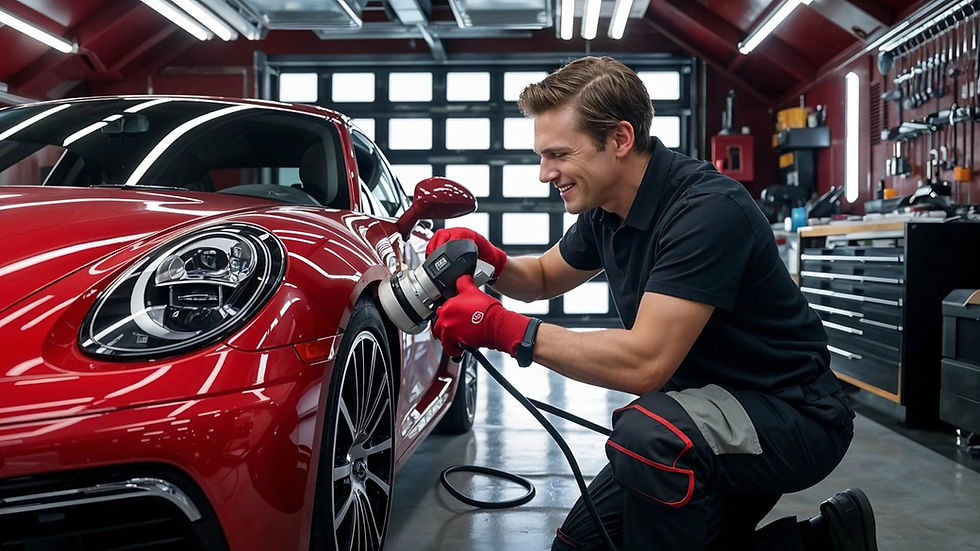
Applying a protective sealant or ceramic coating shields the exterior paint from oxidation and chemical etching caused by insect residue. Regular interior cleaning removes accumulated heat-trapping dust and prevents leather or vinyl surfaces from cracking.


.jpg)